
The Expat Dream: How we can help you buy your slice of Spanish paradise — without the stress
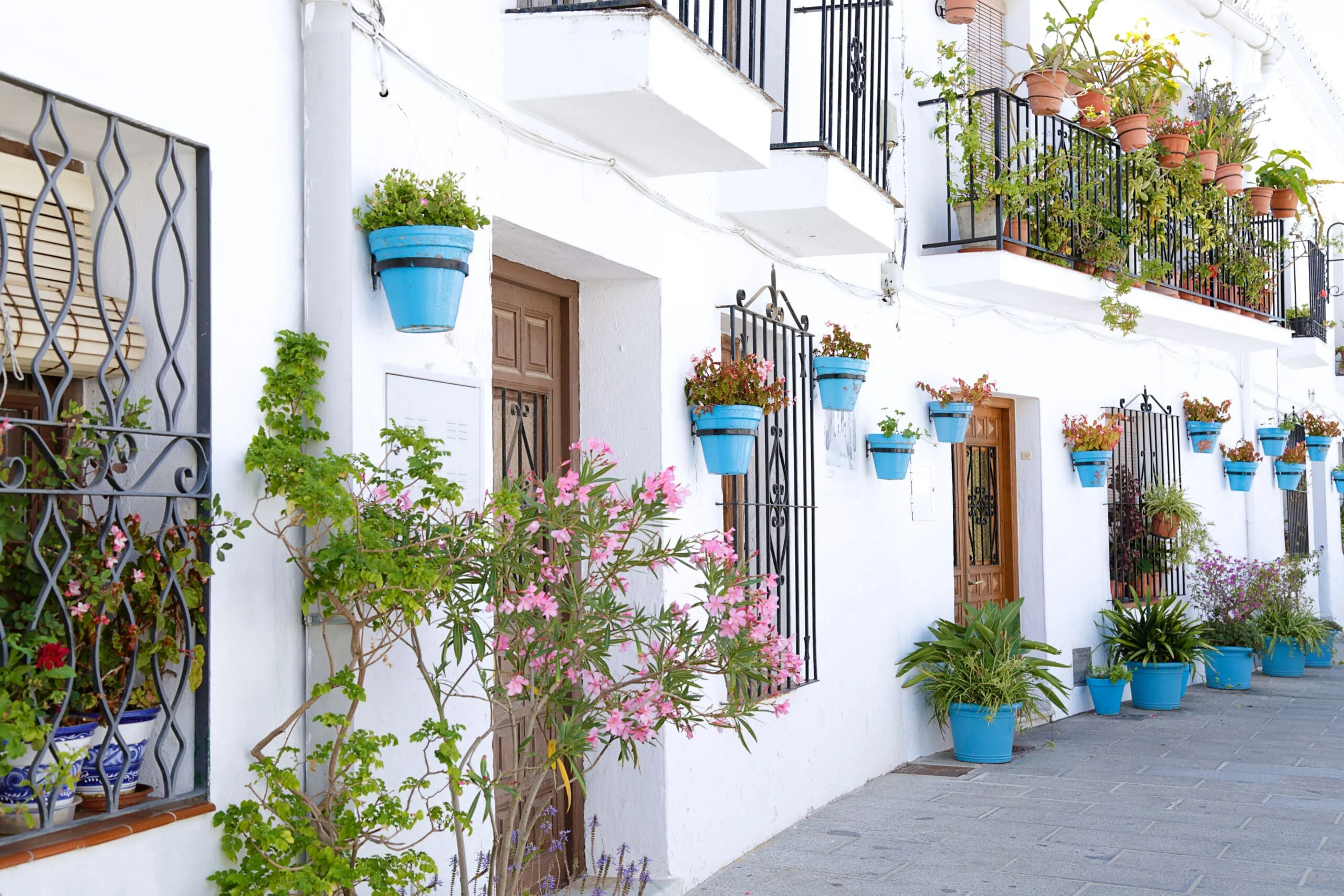
Dreaming of a sunny villa on the Costa del Sol, a chic apartment in Barcelona or a peaceful countryside retreat?
Buying a property in Spain is hugely exciting, but the local process can feel unfamiliar and, at times, daunting if you do not know what to expect.
There are important checks to make, deadlines to meet and potential traps to avoid.
To help you approach the purchase with confidence, we have broken the journey down into five clear, manageable steps — and explained where The Burnside Partnership can support you along the way.
Step 1: Get your paperwork in order
Before you start choosing tiles, terraces or sea views, it is worth putting the legal and financial foundations in place. Sorting these early can save time, money and stress later — and we can help with each stage.
- Appoint a Spanish-qualified lawyer: You will need independent legal advice from someone who understands the Spanish conveyancing process. The Burnside Partnership’s Spanish lawyer, Yolanda Perez Berges, is bilingual and works closely with our UK team, giving you a seamless service and one clear point of contact.
- Grant a Spanish Power of Attorney (known locally as a Poder Notarial) which is a legal document that authorises a trusted representative—such as a lawyer, family member, or friend—to act on your behalf. It is very useful for property owners, allowing agents to handle real estate transactions, manage bank accounts, and pay taxes without your physical presence.
- Obtain your NIE number: Your NIE (Número de Identidad de Extranjero) is your Spanish tax identification number. You will need it to buy a property, open a bank account and deal with many practical arrangements in Spain. We can assist you in obtaining your NIE number as efficiently as possible.
- Open a Spanish bank account: A local bank account is usually needed to complete the purchase and manage ongoing costs such as utilities and local taxes. We can guide you through the process of opening an account in Spain.
- Speak to a currency specialist: If you are transferring funds from the UK to Spain, a currency specialist may help you secure a better exchange rate and reduce fees.
Step 2: Finding your dream home and checking the details
Once you have found the right property, the next step is to check exactly what you are buying. In Spain, certain debts and liabilities can attach to the property itself, rather than simply to the previous owner. That means careful due diligence is essential before you commit.
- Pay a holding deposit: You may be asked to sign a reservation agreement and pay a small deposit to secure the price and take the property off the market. We can review or prepare the agreement before you sign.
- Check the Nota Simple: This key Land Registry document confirms who owns the property and whether there are any charges, mortgages or restrictions registered against it. We can obtain and review this for you.
- Verify the property’s legality: Checks should be made with the local Town Hall to confirm that the property was built legally and has the required occupation licence, known as the Licencia de Primera Ocupación. We can liaise with the Town Hall on your behalf.
- Sign the Arras contract: This is the main preliminary contract and usually involves paying a deposit, often around 10%. If either party withdraws afterwards, significant financial consequences can apply. We can make sure the contract is clear and properly protects your position.
British buyers are now classified as non-EU citizens following Brexit, meaning you must obtain a Military Authorization from the Spanish Ministry of Defence prior to buying property in designated strategic areas. This requirement usually only applies to rural (rustic) land; properties on urban land are largely exempt.
The restrictions apply to roughly 1,500 municipalities deemed of national defence interest. Key regions requiring authorisation include: the Balearic Islands (Majorca, Ibiza, Minorca), the Canary Islands, the Strait of Gibraltar and the Cádiz coast (Costa de la Luz), the region of Cartagena and parts of the Galician coast and border regions and coastal strips across the country. We can advise you on the local rules that apply to your proposed property.
Step 3: Completing before the Notary
In Spain, a property purchase is formally completed by signing the title deed before a Public Notary (Notario). This is a key moment in the process, but it does not necessarily mean you have to manage everything yourself or make repeated trips to Spain. With Spanish lawyers on the ground, we can help make completion as smooth and convenient as possible.
- Arrange the completion funds: The final balance is usually paid using a banker’s draft or certified bank cheque. We can help coordinate the practical arrangements with the Spanish bank and seller’s representatives.
- Deal with the Notary appointment: The purchase must be completed before a Spanish Notary. Where appropriate, we can advise on powers of attorney and practical arrangements, so the process is handled efficiently and with minimal disruption to you.
- Complete the purchase: At completion, the purchase funds are handed over, the title deed (Escritura) is signed and the keys are released. We can oversee the process and deal with the practical steps in Spain on your behalf.
- Register your ownership: After completion, the new title deed should be registered at the local Property Registry so your ownership is formally recorded.
Step 4: Paying taxes
After completion, there are important tax and administrative steps to deal with promptly. In many cases, purchase taxes must be paid within a strict deadline, so it is important not to leave this until later.
- Pay the purchase taxes: For a resale property, transfer tax is commonly between 6% and 10%, depending on the region. For a new-build property, VAT and stamp duty may apply. We can advise on the correct amount and assist with payment.
- Transfer the utilities: Water, electricity and gas accounts should be transferred into your name and linked to your Spanish bank account. We can help coordinate this where needed.
- Set up local rates: You should also register for IBI, Spain’s equivalent of council tax, which is paid annually to the local Town Hall.
Step 5: Make a Spanish Will
Finally, if you own property in Spain, it is usually sensible to make a separate Spanish Will dealing specifically with your Spanish assets. This can make things much simpler for your family and help avoid unnecessary delay, cost and uncertainty in the future.
You can read more about the importance of having a Spanish Will if you own assets in Spain here: www.theburnsidepartnership.com/the-dangers-of-not-having-a-spanish-will-if-you-own-assets-in-spain/
We hope you find this article useful.
Please note: the information in this note is for general information only. Rules are subject to change and may vary by region in Spain, so specialist legal and tax advice should be taken before decisions are made.
Please don’t hesitate to get in touch with Yolanda Perez Berges at yolanda.perez@theburnsidepartnership.com for more information.


